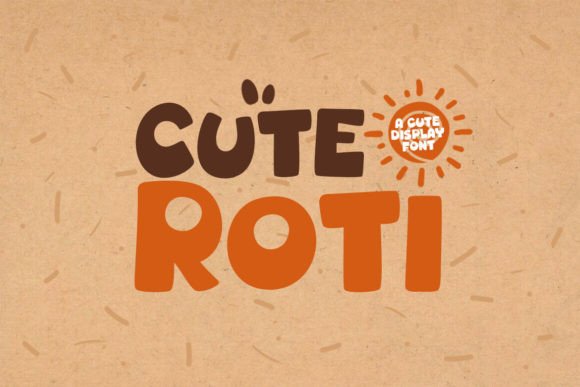
Cute Roti: Evaluating a Modern Display Font for Creative Projects
Typography serves as the visual voice of any design project, bridging the gap between raw information and emotional engagement. In the crowded landscape of digital assets, finding a typeface that balances personality with legibility can be challenging. Cute Roti has emerged as a notable option in this space, positioning itself as a modern and cute display font suitable for a wide array of applications. From posters and logos to magazines and book covers, this typeface offers a distinct aesthetic that aims to make designs stand out without sacrificing professionalism.
For designers, marketers, and content creators aged 20 to 50 who are evaluating resources for their next project, understanding the specific characteristics of Cute Roti is essential. This article explores what makes this font distinct, how it compares to similar typographic styles, and when it represents the best choice for your creative needs.
Defining the Aesthetic of Cute Roti
At its core, Cute Roti is designed to evoke warmth, approachability, and modernity. Unlike traditional serif fonts that convey authority or strict sans-serifs that prioritize neutrality, this font leans into a playful yet structured form. The rounded edges and balanced proportions give it a "cute" quality that feels inviting rather than childish. This distinction is crucial for brands and projects that want to appear friendly and accessible while maintaining a contemporary edge.
The font’s structure allows it to function effectively as a display typeface. Display fonts are typically used for headlines, titles, and short bursts of text where impact is more important than extended readability. Cute Roti excels in these scenarios because its unique character shapes draw the eye immediately. Whether used on a banner for a local event or as the title of a lifestyle magazine, it creates an instant visual hook.
Key Visual Characteristics
- Rounded Terminals: The soft ends of the strokes reduce visual aggression, making the text feel safer and more welcoming.
- Consistent Weight: The uniform thickness across characters ensures that the font remains legible even at larger sizes.
- Modern Proportions: While playful, the spacing and height ratios adhere to modern design standards, preventing it from looking dated or overly whimsical.
Comparing Cute Roti to Alternative Typographic Styles
When selecting a font, it is helpful to compare it against broader categories to understand its place in the design ecosystem. Cute Roti sits at the intersection of several popular trends, including hand-drawn scripts, geometric sans-serifs, and bubble fonts. However, it distinguishes itself by avoiding the extremes of these categories.
Compared to hand-drawn scripts, Cute Roti offers greater consistency. Hand-drawn fonts often suffer from irregular spacing and varying stroke widths, which can make them difficult to read in certain contexts. Cute Roti provides the organic feel of handwriting but with the precision of digital typesetting. This makes it a more reliable choice for professional logos and printed materials where alignment and clarity are paramount.
In contrast to geometric sans-serifs, which can sometimes feel cold or corporate, Cute Roti injects personality. Geometric fonts are excellent for tech companies or financial institutions, but they may fail to connect emotionally with audiences in the lifestyle, food, or education sectors. Cute Roti fills this gap by offering a human touch that geometric fonts lack.
Finally, when compared to bubble or novelty fonts, Cute Roti maintains a higher level of sophistication. Novelty fonts often sacrifice readability for gimmickry, limiting their use to very specific, short-term campaigns. Cute Roti, however, is versatile enough to be used in more enduring projects like book covers and brand identities because it does not rely on excessive decoration to make its point.
Practical Use Cases and Best-Fit Scenarios
Understanding where Cute Roti shines requires looking at real-world applications. Its versatility allows it to adapt to various mediums, but it performs best in contexts that benefit from a friendly and modern tone.
- Branding and Logos: For startups in the food, beverage, or children’s education sectors, a logo needs to be memorable and approachable. Cute Roti’s distinct shape helps create a recognizable brand mark that feels trustworthy and fun.
- Posters and Banners: In event marketing, capturing attention quickly is vital. The bold presence of Cute Roti makes it ideal for headlines on posters for festivals, workshops, or community gatherings.
- Editorial Design: Magazines and blogs focusing on lifestyle, travel, or wellness can use Cute Roti for section headers and pull quotes. It adds visual interest to the page layout without overwhelming the body text.
- Packaging Design: Product packaging often relies on typography to convey the product’s personality. For items like artisanal snacks, organic cosmetics, or craft beverages, this font can enhance the perceived value by suggesting care and creativity.
Limitations and Considerations for Decision-Making
While Cute Roti is a powerful tool, it is not a universal solution. Responsible design involves recognizing the limitations of any asset. As a display font, it is not intended for long-form body text. Using it for paragraphs in a book or dense web articles would strain the reader’s eyes due to its decorative nature. Instead, it should be paired with a highly legible sans-serif or serif font for body copy to create a balanced hierarchy.
Additionally, the "cute" aesthetic may not align with every brand identity. Industries that require an image of strict seriousness, such as law, heavy industry, or high-end luxury fashion, might find this font too informal. In these cases, a more traditional or minimalist typeface would be a better fit. Designers must evaluate whether the playful tone of Cute Roti supports or undermines their core message.
Technical Compatibility and Integration
Another factor to consider is technical integration. Most modern display fonts, including Cute Roti, are designed to work across various platforms, from print to web. However, users should ensure that the font file format (such as OTF or TTF) is compatible with their design software. For web use, checking licensing terms for webfont embedding is crucial to avoid legal issues. Always verify that the license covers the intended scope of the project, whether it is personal, commercial, or enterprise-level.
Making an Informed Choice
Choosing the right font is a strategic decision that impacts how an audience perceives a message. Cute Roti offers a compelling blend of modernity and charm, making it a strong contender for projects that need to stand out in a friendly way. Its strength lies in its ability to be distinctive without being distracting, a balance that many designers strive to achieve.
When evaluating whether to add Cute Roti to your creative toolkit, consider the following questions:
- Does the project require a tone that is approachable and modern?
- Will the text be used primarily for headlines, titles, or short labels?
- Is there a complementary body font available to ensure readability?
- Does the target audience respond well to playful yet professional aesthetics?
If the answer to these questions is yes, then Cute Roti is likely a suitable choice. It provides the flexibility to enhance posters, logos, magazines, and book covers with a touch of personality that resonates with contemporary audiences. By understanding its strengths and respecting its limitations, designers can leverage this font to create lovely, effective designs that communicate clearly and engage deeply.
Ultimately, the value of a font like Cute Roti lies in its ability to elevate simple concepts into memorable visual experiences. Whether you are refreshing a brand identity or designing a one-off promotional banner, integrating this typeface can provide the subtle yet significant boost needed to make your work stand out in a competitive landscape.