Designing the Ultimate Halloween Spooky Party: A Guide to Atmosphere, Typography, and Creative Impact
The allure of October lies not just in the crisp autumn air or the falling leaves, but in the collective willingness to embrace the macabre with joy. Planning a Halloween Spooky Party is an exercise in atmospheric engineering. It requires more than simply hanging plastic cobwebs; it demands a cohesive narrative that engages the senses. From the moment an invitation arrives to the final glow of a jack-o'-lantern, every element contributes to the experience. Among these elements, visual communication plays a pivotal role. The fonts you choose, the colors you pair, and the imagery you deploy set the psychological stage for your guests before they even step through the door.
In the realm of graphic design and event planning, typography is often the unsung hero. A well-chosen typeface can convey fear, whimsy, elegance, or chaos without a single word being read. For creators, marketers, and party planners alike, understanding how to leverage specific stylistic choices—such as a fun display font—can transform a standard gathering into a memorable event. This article explores the intersection of thematic consistency, typographic selection, and practical application, offering insights into how you can create something that truly stands out in a saturated market of seasonal celebrations.
The Psychology of Spooky Aesthetics
To create an effective Halloween theme, one must first understand the emotional response it aims to evoke. Halloween is unique among holidays because it balances two opposing forces: terror and delight. A successful Halloween Spooky Party navigates this tension carefully. If the aesthetic is too frightening, it may alienate younger guests or those seeking lighthearted fun. If it is too cute, it loses the edge that makes the holiday exciting for adults and thrill-seekers.
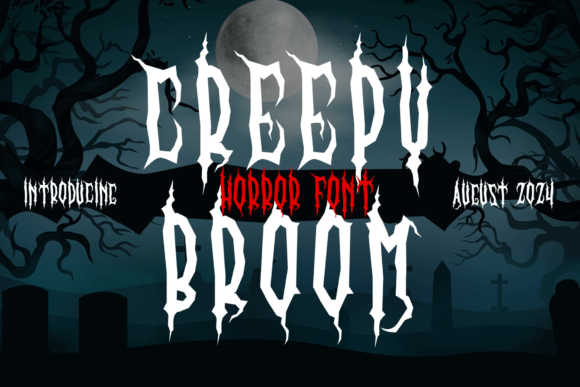
This balance is where design expertise becomes crucial. Consider the use of color palettes. Traditional orange and black are staples, but modern interpretations often include deep purples, slime greens, and blood reds. These colors trigger specific associations. Purple suggests mystery and magic, while green often hints at toxicity or the supernatural. When these colors are paired with the right typography, the message becomes instantaneous. A jagged, dripping font in bright green on a black background communicates "slime" and "monster" instantly, whereas a refined serif in gold and black might suggest a Victorian ghost story or a sophisticated masquerade.
For professionals in branding and merchandise, this psychological layering is essential. Whether you are designing packaging for seasonal treats or creating logotypes for a limited-time event, the font must align with the intended emotional journey. A fun display font can bridge the gap between scary and approachable, ensuring that the vibe remains festive rather than genuinely distressing.
Typography as a Narrative Tool
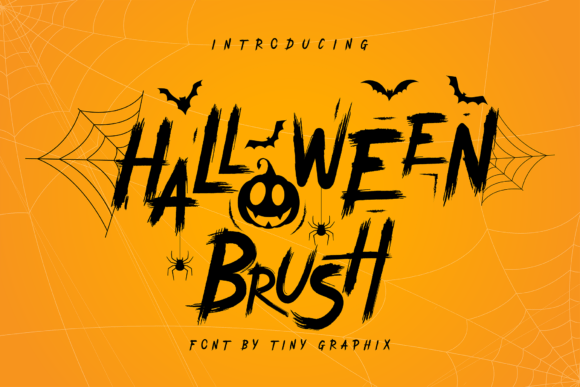
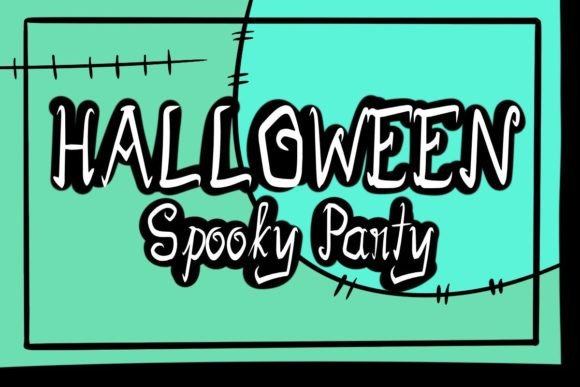
Fonts are not merely vessels for text; they are voices. In the context of Halloween, the voice needs to be distinct. Generic sans-serif fonts rarely capture the spirit of the season. Instead, designers turn to specialized typefaces that offer character and personality. A fun display font designed for Halloween might feature irregular baselines, simulated hand-drawn textures, or embellishments like bat wings or spider legs integrated into the letterforms.
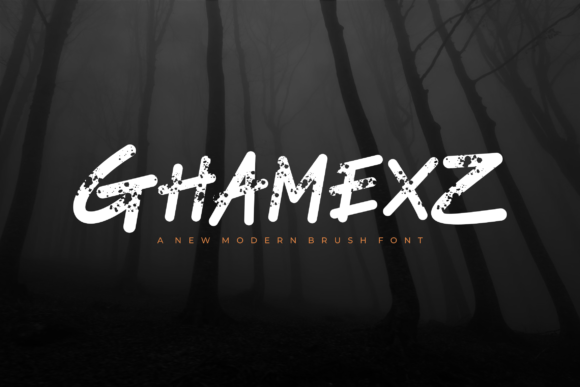
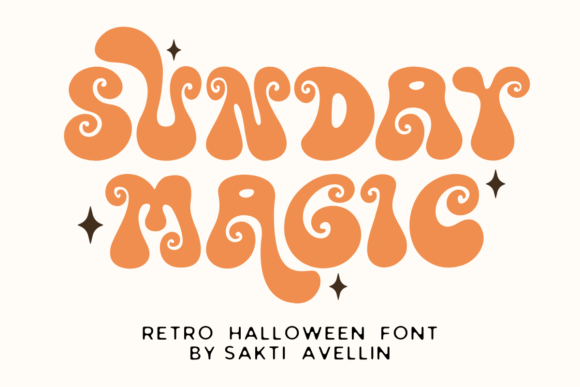
These typographic choices serve several functions. First, they establish immediate context. When a viewer sees a font that looks like it was scratched into a tombstone, they understand the theme before reading the words. Second, they enhance memorability. Unique typography sticks in the mind longer than standard text. For book covers, comics, and posters, this is invaluable. A children’s book about a friendly ghost will benefit from a rounded, bubbly spooky font, while a horror novel might require something sharper and more aggressive.
However, versatility is key. The same font family might offer different weights or styles that allow it to be used across various media. A bold version might work perfectly for a poster headline, while a lighter weight could be suitable for body text on an invitation. This adaptability ensures brand consistency across all touchpoints, from digital social media posts to physical merchandise.
Practical Applications Across Industries
The utility of high-quality Halloween-themed design assets extends far beyond party invitations. Creators and business owners can leverage these resources to drive engagement and sales during the peak seasonal period. Here are several areas where strategic design implementation yields significant results:
- Packaging and Merchandise: Retailers who update their packaging with seasonal fonts see increased shelf appeal. A bag of candy labeled with a playful, spooky typeface feels more special and gift-worthy than one with standard labeling. This applies to everything from artisanal soaps to craft beers.
- Digital Marketing: Social media campaigns thrive on visual distinctiveness. Using a unique display font in Instagram stories or Facebook ads can stop the scroll. It signals to the audience that the content is timely and relevant to the current cultural moment.
- Educational Materials: Teachers and educators can use themed fonts to make learning materials more engaging during October. Worksheets, classroom decorations, and newsletters become more inviting when they incorporate festive visual elements, helping to maintain student interest.
- Event Branding: For venues hosting haunted houses or costume parties, cohesive branding is essential. From ticket designs to signage within the venue, consistent typography reinforces the theme and enhances the immersive experience.
Each of these applications requires a nuanced understanding of the audience. A font that works for a corporate Halloween mixer may not be suitable for a toddler’s classroom party. The designer’s job is to match the tone of the typeface to the expectations of the end-user.
Implementing Design with Precision
While creativity is vital, technical execution ensures professionalism. When integrating a Halloween Spooky Party theme into your projects, consider legibility alongside style. Display fonts are often intricate, which can make them difficult to read at small sizes or from a distance. Best practices suggest using these distinctive fonts for headlines, logos, and short phrases, while pairing them with cleaner, more readable fonts for body text.
Contrast is another critical factor. Ensure that there is sufficient contrast between the text color and the background. A dark purple font on a black background may look moody, but it will be unreadable. Testing your designs in various lighting conditions and on different screens can help identify potential issues before final production. Additionally, consider the medium. Print materials may require higher resolution files and specific color profiles (CMYK), while digital assets should be optimized for RGB and fast loading times.
For those creating merchandise, such as t-shirts or tote bags, consider the printing method. Screen printing may have limitations on the number of colors or the level of detail in the font. Digital printing offers more flexibility but may have different texture outcomes. Understanding these technical constraints early in the design process prevents costly revisions later.
Fostering Creativity and Imagination
Ultimately, the goal of using specialized design tools is to inspire creativity. When you have access to high-quality, thematic assets, the barrier to entry for creating professional-looking materials lowers significantly. This empowerment allows hobbyists, small business owners, and educators to produce work that rivals larger competitors. It encourages experimentation. You might find that combining a spooky font with unexpected colors creates a fresh, modern look that defies traditional Halloween clichés.
Imagination thrives on constraints, but it also flourishes with the right tools. A versatile font library acts as a catalyst for ideas. Seeing a particular glyph might spark a concept for a poster layout or a product name. It invites you to think beyond the obvious and explore new creative avenues. Whether you are designing a comic book cover or a simple party banner, the right typographic choice can elevate the project from mundane to magnificent.
In conclusion, the success of any Halloween-themed project relies on the harmonious integration of theme, emotion, and design. By paying attention to the details of typography and understanding the psychological impact of visual elements, you can create experiences and products that resonate deeply with your audience. Embrace the spooky, celebrate the fun, and let your creativity lead the way. The perfect Halloween Spooky Party begins with a single, well-chosen letter.