Halloween Brush: A Practical Guide to This Spooky Typeface
In the realm of seasonal graphic design, typography often carries more weight than imagery alone. For designers and creators looking to evoke the specific atmosphere of October 31st, the Halloween Brush typeface has emerged as a distinct option. Unlike standard serif or sans-serif fonts that rely on geometric precision, this typeface mimics the chaotic energy of a hand-painted sign or a frantic message scrawled in the dark. It is designed with jagged, uneven strokes that replicate scratchy brushwork, offering a hand-crafted feel that digital perfection often lacks. Understanding what makes this font unique, where it fits within the broader landscape of horror typography, and when it might be the wrong tool for the job is essential for anyone evaluating their design resources.
The Distinctive Character of Halloween Brush
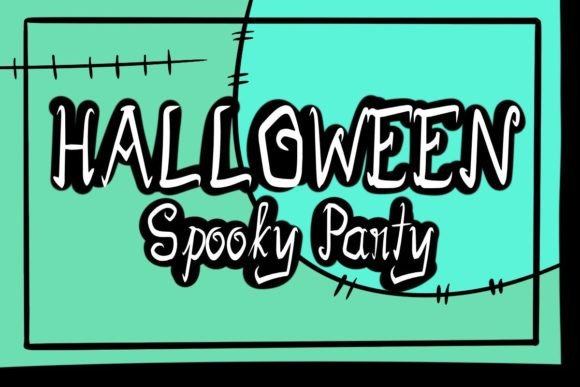
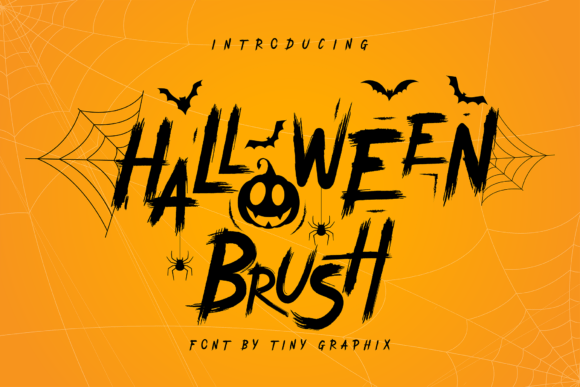
The primary appeal of Halloween Brush lies in its deliberate imperfection. In an era where many digital fonts strive for uniformity, this typeface leans into asymmetry. Each character is constructed to look as though it was applied with a worn-out paintbrush, resulting in varying stroke widths and rough edges. This texture is not merely decorative; it serves a psychological function. The irregularity triggers a subtle sense of unease, aligning perfectly with the eerie essence of the season.
Beyond the basic letterforms, the font includes specific stylistic elements that elevate it above generic "spooky" scripts. Characters are adorned with playful, ghostly flourishes and cobweb-like details that extend from the baseline or ascenders. These embellishments are not random; they are integrated into the glyph structure to create a cohesive visual narrative. When used in a headline, these details suggest movement and decay, capturing both the whimsy and the fright inherent in Halloween culture. For a designer, this means less need for external graphics to establish the mood, as the text itself does the heavy lifting.
Texture and Readability Tradeoffs
While the aesthetic qualities of Halloween Brush are compelling, they come with inherent tradeoffs regarding legibility. The very features that make it atmospheric—the scratchy lines and overlapping flourishes—can reduce readability at smaller sizes or in long blocks of text. This is a critical factor for evaluation. If the goal is to communicate complex information, such as event rules or safety guidelines, this font may hinder comprehension. However, for short headlines, logos, invitations, or social media overlays, the tradeoff is often acceptable. The font excels when the viewer has time to pause and appreciate the texture rather than scan quickly for data.
Comparing Halloween Brush to Alternative Styles
To make an informed decision, it is helpful to position Halloween Brush against other common typographic categories used in seasonal design. Horror and Halloween typography generally fall into three main buckets: gothic/blackletter, dripping blood styles, and hand-drawn brush scripts. Each serves a different emotional purpose.
- Gothic and Blackletter Fonts: These styles draw on medieval aesthetics, often associated with vampires, ancient curses, and serious horror. They convey authority, age, and dread. While effective for a "haunted castle" vibe, they can feel too formal or archaic for modern, family-friendly Halloween events.
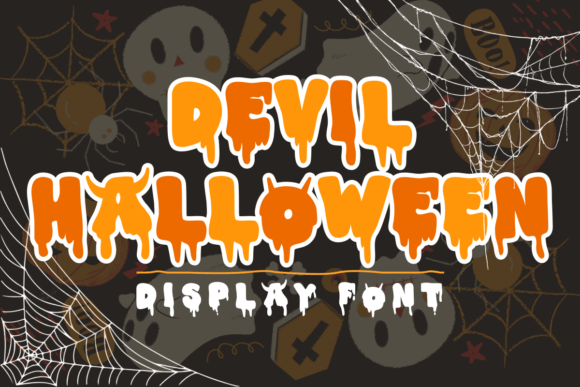
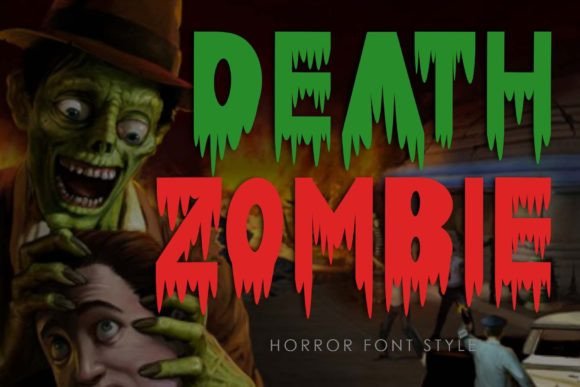
- Dripping Blood Fonts: These are perhaps the most cliché options available. They rely on high-contrast reds and simulated viscosity to signal danger. While immediate in their impact, they can sometimes appear cheap or overused, lacking the artistic nuance of a well-executed brush script.
- Hand-Drawn Brush Scripts (like Halloween Brush): This category sits between the two. It offers the organic feel of the human hand without the rigid structure of blackletter or the overt gore of dripping fonts. It feels more contemporary and versatile, capable of shifting from scary to silly depending on the color palette and context.
When comparing Halloween Brush specifically to other brush-style alternatives, the distinction often comes down to the level of detail. Many brush fonts focus solely on the stroke variation. Halloween Brush, however, integrates thematic iconography directly into the glyphs. This reduces the workload for the designer, who otherwise would need to manually add cobwebs or ghosts to achieve the same effect. However, this also means the font is less flexible if the project requires a cleaner look later on; the thematic elements are baked into the characters.
Evaluating Use Cases and Limitations
Determining whether Halloween Brush is the right choice requires a clear understanding of the project's scope and audience. The font is particularly well-suited for projects that benefit from a tactile, DIY aesthetic. Think of party invitations, pumpkin carving guides, trick-or-treat route maps, or merchandise for local businesses hosting Halloween events. In these contexts, the "slightly chaotic feel" of the font reinforces the idea of a community celebration rather than a polished corporate campaign.
When to Choose Halloween Brush
You should consider using this typeface when your primary goal is to set a mood quickly. Its strong visual identity allows it to stand out in crowded feeds or bulletin boards. The playful flourishes make it an excellent fit for family-oriented content where the fear factor needs to be balanced with fun. For instance, a children's costume contest flyer benefits from the whimsical nature of the cobweb details, which soften the scariness enough to be inviting rather than terrifying. Additionally, because the font mimics hand-painting, it pairs exceptionally well with textures like paper grain, wood, or foggy backgrounds, creating a layered, immersive design.
When to Seek Alternatives
Conversely, there are scenarios where Halloween Brush may not be the optimal solution. If the design requires high contrast and maximum legibility, such as emergency signage or detailed instruction manuals, this font is inappropriate. The jagged strokes can cause visual fatigue when read in large quantities. Furthermore, if the brand identity is strictly professional or minimalist, the chaotic nature of the font could clash with the overall tone. Even within the Halloween niche, if the theme is strictly "horror movie night" featuring slasher films, a sharper, more aggressive font might convey the intended intensity better than the whimsical brush style.
Practical Implementation and Design Pairings
For those deciding to integrate Halloween Brush into their workflow, successful implementation often depends on how it is paired with supporting elements. Because the font is so expressive, it usually works best as a display typeface rather than a body text font. A practical approach is to use Halloween Brush for headlines and titles, while pairing it with a clean, neutral sans-serif font for paragraphs and captions. This combination ensures that the spooky spirit is captured immediately, but the actual information remains accessible.
Color selection also plays a vital role in maximizing the font's potential. While orange and black are traditional, the texture of the brush strokes can look striking in monochromatic schemes, such as deep purples and silvers, or even stark white on a dark background. The cobweb details, in particular, gain definition when there is sufficient contrast between the text color and the background. Designers should also be mindful of spacing; the flourishes can easily collide with adjacent letters if the kerning is not adjusted. Taking the time to manually tweak the spacing between characters can significantly improve the overall balance and prevent the text from looking cluttered.
Decision Factors for the Modern Designer
Ultimately, the decision to use Halloween Brush rests on balancing aesthetic desire with functional necessity. It is a tool that offers a specific flavor of Halloween—one that is crafty, textured, and slightly unpredictable. It stands apart from the mass-produced, generic options by offering a sense of human touch that resonates with audiences seeking authenticity. However, like any specialized resource, it is not a universal solution.
When evaluating your options, ask yourself: Does the project require a sense of handmade chaos? Is the audience expecting a blend of fright and fun? If the answer is yes, then Halloween Brush provides a robust foundation. If the project demands strict legibility or a more refined, modern horror aesthetic, exploring alternative categories may yield better results. By understanding the strengths and limitations of this typeface, designers can make confident choices that enhance their creative output without compromising clarity or intent.