Label Comfort: A Bold Display Font That Balances Softness and Strength
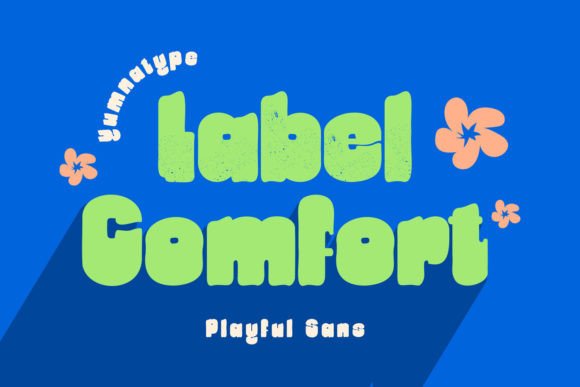
In the crowded landscape of digital design, finding a typeface that commands attention without sacrificing readability is often a challenge. Label Comfort emerges as a compelling solution for designers seeking a unique visual voice. It is a bold and versatile display font that combines the comfort of rounded shapes with the rugged charm of a grunge version. This fusion creates a distinct aesthetic where the very thick weight of the font gives it a strong and commanding presence, while the low contrast ensures clarity and legibility in any size. Whether you are branding a streetwear line, designing a poster for an indie event, or creating packaging for artisanal goods, this typeface offers a texture that feels both modern and tactile.
Understanding the Unique Character of Label Comfort
At its core, Label Comfort is designed to bridge the gap between approachability and authority. Each letter in Label Comfort is meticulously designed with rounded shapes that add a soft quality to your text. Unlike harsh, geometric sans-serifs that can feel cold or overly corporate, the rounded terminals invite the eye to linger. However, the "grunge" element prevents it from becoming too childish or generic. The distressed edges introduce a sense of history and raw energy, making it ideal for projects that want to communicate authenticity.
The versatility of this font lies in its ability to function across different mediums. Because the strokes are so substantial, they hold up well when printed on rough textures like kraft paper or canvas. Simultaneously, the low contrast between thick and thin lines means the font remains crisp even when scaled down for mobile interfaces or small labels. This dual nature makes it a favorite among entrepreneurs and marketers who need a single asset to work hard across various touchpoints.
Common Mistakes When Using Heavy Grunge Fonts
Despite its strengths, using a font like Label Comfort requires a strategic approach. Many beginners and even experienced creators make specific errors that can undermine the effectiveness of their designs. One of the most frequent mistakes is overusing the font in body copy. While the low contrast aids legibility, the sheer thickness and textured edges can cause visual fatigue if used for long paragraphs. Readers may struggle to distinguish individual characters in dense blocks of text, leading to poor communication and reduced engagement.
Another common oversight is ignoring the background context. The rugged charm of a grunge version relies heavily on negative space to breathe. Placing Label Comfort against a busy, high-contrast pattern can create a muddy effect where the texture of the letters gets lost in the noise of the background. This lack of separation diminishes the font's commanding presence and makes the design look cluttered rather than dynamic.
Furthermore, many users fail to consider the emotional tone of their brand. While the font is friendly due to its rounded shapes, the grunge aspect introduces an edge. Using it for a medical practice or a conservative financial firm might send mixed signals, confusing the audience about the brand's values. The mismatch between the visual style and the industry standard can erode trust and professionalism.
How These Errors Impact Your Results
When these mistakes occur, the impact goes beyond simple aesthetics. Poor legibility directly affects usability; if a customer cannot read your headline quickly, they will likely scroll past. In marketing materials, this translates to lower conversion rates and wasted ad spend. Additionally, a design that looks muddy or cluttered suggests a lack of attention to detail, which can negatively influence consumer perception of product quality. For small business owners, this can mean the difference between a memorable brand identity and one that fades into the background.
Cost is another factor. If a designer chooses the wrong application for Label Comfort, the project may require significant revisions later to fix readability issues or rebranding efforts to align with the target audience. Avoiding these pitfalls early saves time and resources, ensuring the final output is efficient and effective.
Practical Strategies for Better Design Choices
To get the most out of Label Comfort, it is essential to treat it as a highlight tool rather than a workhorse for all text. Here are practical approaches to ensure your design succeeds:
- Reserve it for Headlines: Use the font strictly for titles, slogans, and call-to-action buttons. Pair it with a clean, neutral sans-serif or serif font for body text. This combination maintains the visual interest of the headline while ensuring the supporting information is easy to digest.
- Prioritize Negative Space: Give the letters room to expand. Increase letter-spacing (kerning) slightly if necessary to prevent the rounded shapes from colliding visually. Ensure there is ample padding around the text block to let the grunge texture stand out against a solid or subtly textured background.
- Test Across Media: Before finalizing a design, print a sample or view it on multiple screen sizes. Check how the thick weight holds up on a smartphone versus a billboard. The low contrast should help, but the intricate details of the grunge effect might need adjustment depending on the resolution.
- Align with Brand Voice: Evaluate whether the "rugged charm" fits your message. If your brand is about innovation, durability, or urban culture, this font is a perfect match. If your brand focuses on minimalism or luxury, consider if the texture adds value or distracts from the core message.
Evaluating Label Comfort Before You Commit
Before downloading or purchasing Label Comfort, take the time to evaluate its compatibility with your specific project needs. Look at the full character set to ensure it includes the ligatures, numbers, and special characters you require. Some grunge fonts have inconsistent rendering in certain glyphs, which can break the flow of a design. Check the licensing terms carefully, especially if you plan to use the font for commercial products like merchandise or large-scale advertising campaigns.
It is also wise to compare it with other similar display fonts. While Label Comfort offers a unique blend of rounded softness and grit, other options might offer better kerning pairs or more weight variations. Don't settle for the first bold font you find; experiment with a few alternatives to see which one best communicates your intended emotion.
Final Thoughts on Typography Selection
Choosing the right typeface is a critical decision that influences how your audience perceives your work. Label Comfort is a powerful tool when used correctly, offering a bold statement that balances warmth with attitude. By avoiding common pitfalls like overuse and poor pairing, you can leverage its unique characteristics to create designs that are not only visually striking but also functional and clear. Remember, the goal of typography is always communication. When the form supports the function, your message will resonate more deeply with your audience, driving better results for your creative endeavors.