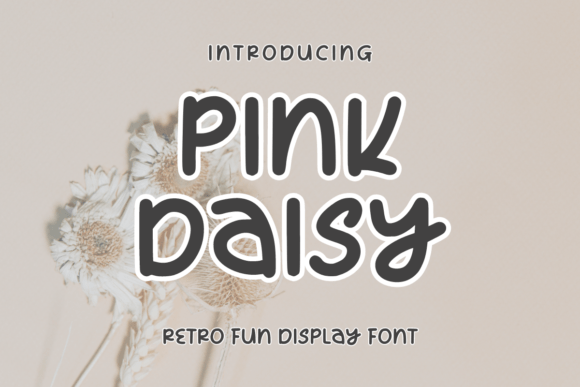
Pink Daisy: A Retro Font for Bold Design
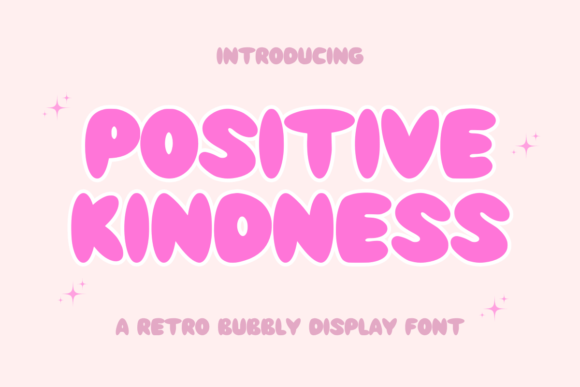
In a digital landscape often saturated with sleek minimalism, the sudden appearance of a bold, character-driven typeface can stop a viewer in their tracks. Pink Daisy is precisely that kind of visual interrupt—a fun, retro, and quirky display font designed to inject personality into any project. For graphic designers seeking to break away from the monotony of standard sans-serifs, this unique typographic asset offers an immediate way to elevate creative work. Whether you are crafting a playful brand identity or designing eye-catching social media graphics, Pink Daisy serves as a powerful tool to communicate energy, nostalgia, and distinctiveness.
The Power of Quirky Typography in Visual Design
Typography is more than just legible text; it is the voice of your visual communication. In modern graphic design, the choice of font dictates the mood, tone, and perceived value of a message. While many brands lean towards safe, neutral options, those aiming to stand out often turn to display fonts like Pink Daisy. Its rounded, organic shapes evoke a sense of warmth and approachability, reminiscent of mid-century aesthetics yet refined for contemporary use. This blend of retro charm and modern utility makes it an incredible asset to any designer's library.
When integrated thoughtfully, such a font strengthens brand identity by creating a memorable visual signature. It signals to the audience that a brand is confident, creative, and unafraid to be different. However, the effectiveness of a display font relies heavily on context. It excels in headlines, logos, and short phrases where its unique character can shine without compromising readability. Understanding how to balance these quirky elements with functional typography is key to achieving a polished professional presentation.
Practical Applications Across Creative Projects
The versatility of Pink Daisy extends across various design disciplines, offering fresh perspectives for both print and digital mediums. Here are several ways to leverage this font effectively:
- Branding and Logo Design: Use Pink Daisy as the primary element for logos targeting lifestyle, wellness, or creative industries. Its distinctive curves make it ideal for creating a friendly and inviting brand mark.
- Social Media Graphics: In the fast-paced world of digital marketing, captions and overlays need to grab attention instantly. Pairing this font with vibrant color palettes creates high-impact posts that drive engagement.
- Packaging Design: For product packaging, especially in food, beauty, or artisanal goods, this font adds a touch of whimsy that can differentiate a product on crowded shelves.
- Editorial and Web Design: While not suitable for body copy, Pink Daisy works beautifully for section headers, pull quotes, and UI call-to-action buttons, adding a layer of visual hierarchy to web layouts.
- Merchandise and Apparel: T-shirts, tote bags, and stickers benefit from the bold outlines and playful nature of the typeface, turning simple text into wearable art.
Strategies for Effective Implementation
While the aesthetic appeal of Pink Daisy is undeniable, successful implementation requires a strategic approach to visual hierarchy and usability. Designers must ensure that the font enhances rather than distracts from the core message. One common pitfall is overuse; because it is a display font, it should be reserved for emphasis. Pairing it with a clean, neutral sans-serif or serif for body text ensures that the overall composition remains readable and balanced.
Consider the scalability of your design assets. A font that looks great at large sizes may lose its definition when scaled down for mobile screens or small business cards. Always test Pink Daisy across different resolutions and devices to maintain clarity. Additionally, think about your target audience and their expectations. A youthful, energetic demographic might respond well to the retro quirkiness, whereas a conservative corporate client might require a more restrained application.
Enhancing Color and Composition
The name "Pink Daisy" suggests a connection to soft hues, but the font itself is versatile enough to handle a wide range of color palettes. To maximize its impact, experiment with high-contrast combinations. Deep purples, electric blues, or warm terracottas can complement the rounded forms, creating a dynamic visual experience. When used in UI design, ensure there is sufficient spacing (kerning) between letters to prevent the intricate details from merging together.
Furthermore, consistency is vital for building a cohesive design workflow. If you choose Pink Daisy for your headlines, apply it consistently across all touchpoints, from your website to your email newsletters. This repetition reinforces brand recognition and creates a seamless user experience. By treating typography as a fundamental component of your design system rather than just a decorative afterthought, you ensure that every piece of content contributes to a unified narrative.
Ultimately, the right creative assets can transform a good idea into a compelling story. Fonts like Pink Daisy offer more than just style; they provide a pathway to connect emotionally with an audience through visual language. By selecting tools that align with your design goals and understanding the nuances of typography, you can create work that is not only aesthetically pleasing but also functionally effective. Embracing these unique elements allows designers to push boundaries, foster creativity, and deliver results that truly resonate in a competitive market.