Spooky Dukie: A Strategic Asset for Playful Horror Branding
In the crowded landscape of digital and print design, typography serves as more than just a vehicle for text; it is a primary determinant of brand perception and audience engagement. Spooky Dukie emerges as a distinct typographic solution that bridges the gap between traditional horror aesthetics and approachable, kid-friendly design. For entrepreneurs, marketers, and creative professionals, selecting a font like Spooky Dukie is not merely an aesthetic choice but a strategic decision that influences how a message is received, remembered, and acted upon. This display font offers a unique balance of playfulness and eeriness, making it a versatile tool for brands aiming to capture attention without alienating younger demographics or families.
The utility of Spooky Dukie lies in its ability to communicate a specific mood instantly. In marketing, where split-second decisions determine user behavior, a font that screams for attention while remaining inviting can significantly improve conversion rates on landing pages, social media graphics, and promotional materials. Unlike aggressive, jagged horror fonts that may trigger genuine fear or discomfort, Spooky Dukie adopts a "cool and playful" stance. This distinction is critical for businesses operating in sectors such as family entertainment, educational publishing, or seasonal retail, where the goal is excitement rather than terror.
Defining the Visual Identity with Spooky Dukie
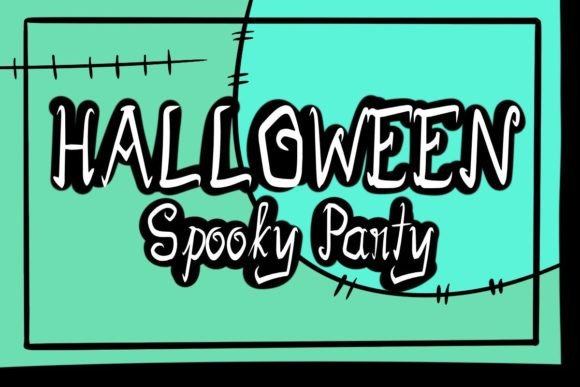
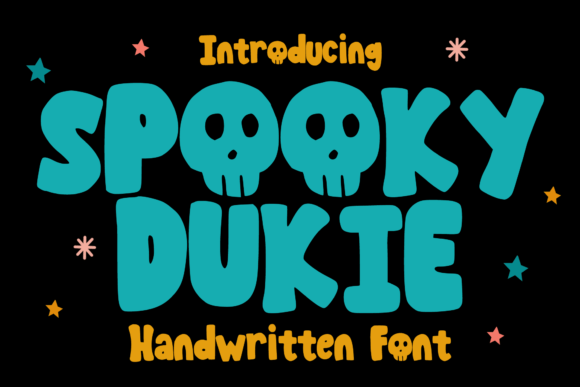
To leverage Spooky Dukie effectively, one must first understand its core characteristics and the psychological impact they deliver. As a spooky display font, it features exaggerated curves, irregular letterforms, and a whimsical structure that mimics the chaotic energy of Halloween or fantasy themes. However, these elements are smoothed out enough to remain legible and friendly. This duality allows designers to create visuals that are thematic yet accessible.
For a small business owner planning a seasonal campaign, this font provides a shortcut to establishing a cohesive visual identity. Instead of spending hours crafting custom illustrations to convey a "spooky fun" vibe, applying Spooky Dukie to headlines and key messaging instantly aligns the brand with the desired atmosphere. It signals to the audience that the content is safe, entertaining, and designed with a sense of humor. This alignment reduces cognitive load for the viewer, allowing them to focus on the call to action rather than deciphering a confusing or overly intense visual style.
Strategic Applications Across Media Channels
The versatility of Spooky Dukie extends across various mediums, each requiring a slightly different strategic approach. Understanding where and how to deploy this font ensures maximum impact and return on investment for design efforts.
- T-Shirt and Apparel Design: In the merchandise sector, legibility and style are paramount. Spooky Dukie works exceptionally well for slogan-based tees targeting children or families attending festivals. The font's casual touch prevents the design from feeling too costume-like, encouraging everyday wearability while maintaining a festive edge.
- Book Covers and Publishing: For authors and publishers in the middle-grade fiction or illustrated non-fiction genres, the cover is the primary sales driver. Using Spooky Dukie for titles can immediately categorize the book within the "fun horror" niche, helping parents and young readers identify appropriate content quickly. It sets expectations for a story that is thrilling but not traumatizing.
- Restaurant Menus and Hospitality: Seasonal menu updates are a common tactic for restaurants to drive traffic during October. Replacing standard serif or sans-serif headers with Spooky Dukie creates an immersive dining experience. It transforms a simple list of items into a themed event, enhancing customer satisfaction and perceived value.
- Digital Content and Blogging: For bloggers and content creators, headline optimization is crucial for click-through rates. While body text requires high readability, using Spooky Dukie for H1 tags or featured post titles can break the monotony of standard web typography. It draws the eye and establishes a unique voice for niche topics related to holidays, crafts, or entertainment.
- Greeting Cards and Stickers: In the stationery market, personalization is key. Spooky Dukie adds a layer of character to greeting cards and stickers, making them feel hand-crafted and thoughtful. This perceived effort often translates to higher willingness to pay among consumers looking for unique gifts.
Planning for Long-Term Brand Consistency
While Spooky Dukie is excellent for capturing immediate attention, its long-term value depends on how it fits into a broader branding strategy. Impulsive use of decorative fonts can lead to a fragmented brand image, where the visual language feels disjointed across different touchpoints. To avoid this, decision-makers should treat the integration of Spooky Dukie as part of a structured communication plan.
Before adopting the font, evaluate your brand's core values and target audience. If your brand relies on seriousness, authority, or minimalism, Spooky Dukie may undermine those pillars unless used very sparingly for specific campaigns. Conversely, if your brand thrives on creativity, community engagement, and seasonal relevance, this font can become a signature element that audiences associate with your identity over time.
Consider the lifecycle of your projects. For a one-off Halloween promotion, Spooky Dukie is a perfect temporary asset. However, for a product line intended to last beyond the holiday season, you must assess whether the font remains relevant year-round. In some cases, the playful nature of the font allows it to work in spring or summer contexts if paired with complementary colors and imagery, expanding its utility beyond the autumn months.
Risks of Contextual Misalignment
Despite its appeal, there are risks associated with using Spooky Dukie without clear goals or context. The most significant danger is misinterpreting the tone. Because the font is described as "kids friendly," it may fail to resonate with adult audiences seeking a more mature or sophisticated horror experience. Using it for a thriller novel aimed at adults or a serious safety campaign could result in a disconnect between the message and the medium, leading to reduced credibility.
Additionally, overuse can dilute the font's impact. When every headline, subhead, and caption utilizes Spooky Dukie, the design loses its hierarchy. The "scream for attention" quality becomes background noise rather than a focal point. Strategic restraint is essential; reserve the font for high-impact areas where you want to guide the viewer's eye specifically. Pairing it with clean, neutral body fonts ensures that the playful display type enhances readability rather than hindering it.
Maximizing Creative Productivity and Outcomes
For freelancers and design teams, efficiency is a metric of success. Integrating a robust font like Spooky Dukie into your toolkit can streamline the creative process. Instead of starting from scratch to find the right visual tone, having a pre-selected font that already embodies the desired mood accelerates project timelines. This productivity gain allows more time for refining other aspects of the design, such as layout, color theory, and copywriting.
Furthermore, the font's adaptability supports experimentation. Marketers can test different variations of a campaign—such as changing the headline font while keeping the rest of the design constant—to see how Spooky Dukie influences engagement metrics compared to standard typefaces. Data-driven decisions based on these tests can inform future design strategies, ensuring that resources are allocated to what truly resonates with the audience.
Ultimately, the decision to use Spooky Dukie should be grounded in the objective of creating lovely designs that serve a purpose. Whether you are designing a sticker pack for a local charity event or a menu for a family-owned diner, the font acts as a catalyst for creativity. By understanding its strengths, limitations, and optimal use cases, you can harness its potential to build stronger connections with your audience and achieve tangible results in your creative endeavors.