Felixstar: A Practical Evaluation of the Display Handwritten Font
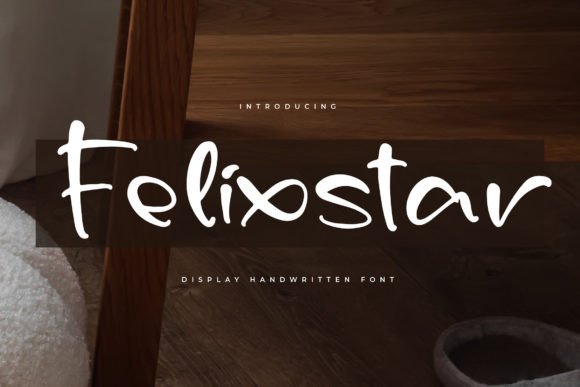
In the realm of digital typography, the selection of a font often dictates the immediate perception of a brand or design project. Felixstar, a display handwritten font developed by Integritype Studio, has emerged as a notable option for designers seeking to infuse luxury and personal touch into their work. Unlike standard script fonts that may lack character or consistency, Felixstar is engineered to mimic the fluidity of high-end calligraphy while maintaining digital usability. This evaluation explores the characteristics of Felixstar, its suitability for various applications, and the practical considerations designers should weigh before integrating it into their workflow.
Understanding the Design Philosophy of Felixstar
Felixstar is categorized as a display handwritten font, a classification that implies it is best suited for headlines, logos, and short text segments rather than body copy. The font's primary aesthetic goal is to replicate the elegance of hand-lettering without sacrificing legibility at larger scales. Integritype Studio designed this typeface with a focus on "premium taste," aiming to bridge the gap between authentic handwriting and the precision required for commercial use.
The strokes within Felixstar vary in weight, creating a dynamic contrast that mimics the pressure applied by a pen or brush. This variation gives the text an organic feel, preventing the rigid uniformity often associated with machine-generated scripts. However, because it is a display font, the letterforms are optimized for impact rather than extended reading. Understanding this distinction is crucial for anyone considering Felixstar for a project, as using it for long paragraphs would likely result in poor readability and visual fatigue.
Key Use Cases and Applications
The versatility of Felixstar lies in its ability to elevate specific design elements where a personal, artisanal touch is desired. It is particularly effective in scenarios requiring a sense of exclusivity or warmth. Below are common applications where this font performs well:
- Logos and Branding Projects: For businesses in the fashion, beauty, or lifestyle sectors, a logo needs to communicate sophistication. Felixstar offers a unique identifier that stands out against more common sans-serif or serif corporate identities.
- Product Packaging and Labels: On items like skincare bottles, wine labels, or gourmet food packaging, the font can suggest craftsmanship and quality ingredients.
- Invitation and Greeting Cards: Events such as weddings, anniversaries, or galas benefit from the formal yet intimate appearance of handwritten scripts. Felixstar fits naturally into these contexts.
- Mugs, T-Shirts, and Homewares: When designing merchandise, especially for quotes or slogans, the font adds a human element that resonates with consumers looking for personalized goods.
- Book Covers and Posters: In publishing and event marketing, the font serves as a strong focal point, drawing attention to titles or key dates.
- Watermarks and Photography Overlays: For photographers or artists, a subtle watermark in Felixstar can protect intellectual property while adding a signature style to images.
Benefits and Advantages
Choosing Felixstar offers several distinct advantages for design projects. First, the font provides a ready-made solution for achieving a custom look without the time investment of hiring a calligrapher or creating a bespoke typeface from scratch. The high-quality vector files ensure that the font scales smoothly across different mediums, from small business cards to large shopping bags.
Furthermore, the font supports a wide range of characters, including uppercase, lowercase, numbers, and punctuation, allowing for complete flexibility in composition. The design team at Integritype Studio has paid attention to kerning and spacing, which helps maintain the integrity of the script even when letters are placed close together. This technical reliability reduces the need for manual adjustments during the layout process, streamlining the design workflow.
Aesthetically, the font carries a connotation of luxury. In a market saturated with minimalist and geometric designs, the organic curves of Felixstar can help a brand differentiate itself. It signals attention to detail and a commitment to quality, which can be a powerful psychological cue for potential customers.
Tradeoffs and Considerations
While Felixstar is a robust tool, it is not without limitations. As a display font, its complexity makes it unsuitable for body text. Long blocks of text set in Felixstar will struggle with legibility due to the intricate details and varying stroke widths. Designers must exercise restraint, reserving the font for headings, pull quotes, or short statements.
Another consideration is the context of the brand. While the font exudes luxury, it may not align with brands that prioritize industrial strength, technological innovation, or extreme minimalism. Using a decorative script in a tech startup or a construction firm could create a dissonance between the visual identity and the company's core message.
Additionally, the "handwritten" nature of the font means that it relies heavily on the designer's skill to balance it with other typographic elements. Pairing Felixstar with a contrasting font—such as a clean sans-serif—is essential to maintain visual hierarchy. Without proper pairing, the overall design can appear cluttered or overly ornate.
Situations Where Alternatives May Be Preferable
There are specific scenarios where selecting an alternative to Felixstar might be the more prudent decision. If a project requires accessibility compliance, such as government websites or educational materials, a simpler, high-contrast sans-serif font is often necessary to ensure readability for all users. Similarly, if the target audience is global and includes non-native speakers, the stylistic flourishes of a handwritten font might hinder quick comprehension.
For projects with tight budgets or strict production timelines, the licensing costs associated with premium fonts like Felixstar should be weighed against free alternatives. While free fonts have improved in quality, they may lack the extensive character sets or the refined kerning found in professional studio releases. However, for a temporary campaign or a low-stakes internal document, a free script font might suffice.
Finally, if the brand identity is already established around a very specific geometric or brutalist aesthetic, introducing a fluid, cursive font like Felixstar could dilute the existing visual language. Consistency is key in branding, and introducing a font that clashes with the established tone can confuse the audience.
Practical Decision-Making Insights
To determine if Felixstar aligns with your goals, consider the following checklist:
- Define the Message: Does your project require a sense of elegance, warmth, and personal connection? If yes, Felixstar is a strong candidate.
- Assess Text Volume: Will you be using the font for short phrases or long paragraphs? Limit usage to headlines and accents to ensure readability.
- Evaluate Brand Alignment: Does the font support the values of your brand? Luxury, artisanal, and creative sectors are ideal matches.
- Test Pairings: Experiment with Felixstar alongside neutral fonts to see if the combination creates a balanced layout.
- Check Licensing: Ensure the license from Integritype Studio covers your intended use, whether it be web, print, or merchandise.
In conclusion, Felixstar by Integritype Studio is a sophisticated tool for designers aiming to add a premium, handwritten aesthetic to their projects. Its strength lies in its ability to convey luxury and personality in logos, packaging, and special event materials. However, its effectiveness depends on thoughtful application and an understanding of its limitations as a display typeface. By carefully evaluating the project requirements and balancing the font with appropriate design choices, creators can leverage Felixstar to enhance their visual communication effectively.