Beach Wedding: A Handwritten Font Evaluation
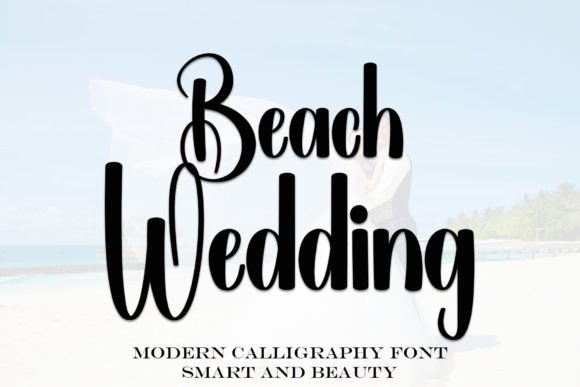
When selecting typography for a design project, the choice of font often dictates the emotional tone and readability of the final piece. Beach Wedding is a handwritten typeface characterized by an elegant touch and a distinct, timeless style. It is frequently described as neat and beautiful, making it a popular candidate for creative projects that require a personal or romantic aesthetic. However, like any specialized typeface, it serves specific purposes better than others. This article evaluates the characteristics, applications, and limitations of Beach Wedding to help designers and content creators determine if it aligns with their specific goals.
Understanding the Design Philosophy
At its core, Beach Wedding is designed to mimic natural handwriting while maintaining the structural integrity required for digital and print media. Unlike rigid serif or sans-serif fonts, this typeface embraces irregularities in stroke width and letter spacing that are typical of human penmanship. The "elegant touch" mentioned in its description refers to the fluid curves and delicate terminals that give the letters a soft, inviting appearance.
The font is categorized as a script or display typeface. This classification is important because it signals that the font is intended for short bursts of text rather than long-form reading. The distinct style relies on the viewer's ability to recognize individual characters quickly, which can be challenging if the text is too dense. Understanding this fundamental design philosophy is the first step in evaluating whether Beach Wedding is the right tool for a particular project.
Reasons to Consider Beach Wedding
There are several compelling reasons why a designer might choose Beach Wedding over more traditional typefaces. The primary driver is usually the desire to evoke a specific mood. Because the font resembles a signature or a note written by hand, it inherently feels personal and intimate. This makes it particularly effective for projects where human connection is a central theme.
- Emotional Resonance: The organic nature of the strokes can convey warmth, romance, and nostalgia, which are difficult to achieve with geometric fonts.
- Visual Distinctiveness: In a landscape dominated by clean, minimalist typography, a well-executed handwritten font like Beach Wedding can make a design stand out immediately.
- Brand Personality: For brands aiming to position themselves as artisanal, boutique, or approachable, this font supports that narrative visually.
Furthermore, the "timeless style" attributed to Beach Wedding suggests that it avoids fleeting trends. While many script fonts rely on exaggerated flourishes that may date quickly, Beach Wedding aims for a balance between legibility and artistic flair, potentially offering longevity in various design contexts.
Benefits and Tradeoffs
Evaluating Beach Wedding requires weighing its aesthetic benefits against practical tradeoffs. The most significant benefit is its versatility within its niche. It works exceptionally well for headlines, invitations, logos, and packaging labels where space is limited and impact is prioritized. The neatness of the font ensures that even at smaller sizes, the characters do not become an illegible mess, provided they are not compressed too tightly.
However, the tradeoffs are substantial when moving beyond decorative use. The primary limitation is readability in body copy. Handwritten fonts generally have lower x-heights and varying baseline alignments compared to standard typefaces. Using Beach Wedding for paragraphs of text can cause eye strain and reduce information retention. Additionally, the ligatures and connecting strokes common in such fonts can sometimes clash with certain layout grids, requiring careful kerning adjustments.
Another consideration is accessibility. Users with dyslexia or visual impairments may find the cursive nature of Beach Wedding difficult to decipher. If a project must adhere to strict accessibility guidelines (such as WCAG), relying heavily on this font for critical information could pose compliance issues.
Ideal Situations for Use
Beach Wedding finds its strongest fit in scenarios where the message is short, the emotion is high, and the context is celebratory or personal. It is an excellent choice for:
- Wedding Invitations and Stationery: As the name implies, the font is perfectly suited for nuptial themes. It complements floral arrangements and coastal motifs often found in beach weddings.
- Luxury Packaging: On product labels for cosmetics, candles, or gourmet foods, the font adds a premium, handcrafted feel.
- Social Media Graphics: For Instagram stories or promotional posts where a headline needs to grab attention quickly, the font's distinct style performs well.
- Logo Design: Small businesses, particularly in the lifestyle, fashion, or event planning sectors, can use it to create a memorable brand mark.
In these situations, the font acts as a focal point. It draws the eye and sets the stage for the rest of the design without overwhelming the viewer with excessive text.
When to Consider Alternatives
Despite its beauty, there are clear situations where alternatives to Beach Wedding are worth considering. If the project involves extensive text, such as a website homepage, a blog post, or a brochure with detailed descriptions, a serif or sans-serif font should be used for the body copy. Mixing Beach Wedding with a highly readable companion font is a common strategy, but using it exclusively for large blocks of text is inadvisable.
Additionally, corporate or technical environments often require a more neutral and authoritative tone. In fields like finance, healthcare, or engineering, the whimsical nature of a handwritten font may undermine credibility. Here, a clean, structured typeface communicates precision and reliability more effectively.
Designers should also consider the medium. If the design will be printed on low-quality paper or viewed on a low-resolution screen, the fine details of Beach Wedding may blur or disappear. In such cases, a bolder, simpler font with thicker strokes would ensure better reproduction quality.
Practical Decision-Making Insights
To determine if Beach Wedding aligns with your goals, ask yourself three key questions before committing to the typeface:
1. What is the primary function of the text? If the text is meant to be read quickly and comprehensively, avoid this font. If it is meant to be felt or admired, it is a strong contender.
2. Does the context support a personal tone? Evaluate the audience and the setting. A formal legal document or a scientific report does not match the casual elegance of Beach Wedding. Conversely, a wedding invitation or a boutique shop sign fits naturally.
3. How will it pair with other elements? Typography rarely exists in a vacuum. Test Beach Wedding alongside your chosen imagery and color palette. Ensure that the contrast is sufficient and that the font does not compete with other decorative elements in the layout.
Ultimately, Beach Wedding is a powerful tool for creating spectacular designs when used with intention. Its neat and beautiful character offers an elegant touch that can elevate a project from generic to memorable. By understanding its strengths in decorative applications and acknowledging its limitations in functional reading, designers can leverage this timeless style to create work that resonates deeply with their audience.