Jago Rawi: The Ultimate Urban Display Font
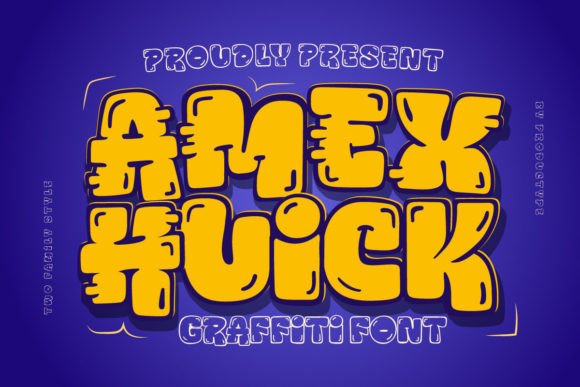
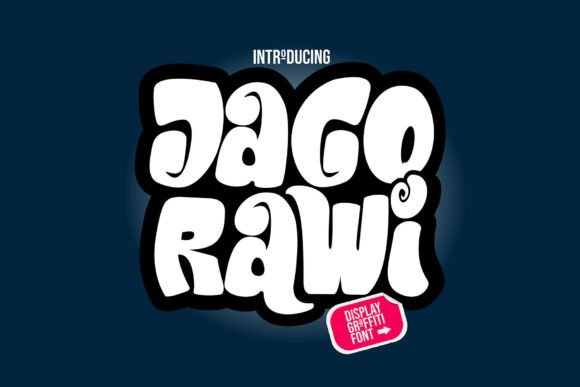
In the crowded landscape of digital design, standing out often requires more than just a clever idea; it demands a visual voice that cuts through the noise. Jago Rawi is not merely a typeface; it is a digital translation of the raw energy found in city streets. This extraordinary display font captures the essence of graffiti culture, offering a distinct, gritty aesthetic that transforms standard text into a bold statement. Whether you are designing a limited-edition t-shirt or laying out a concert poster, Jago Rawi injects an authentic streetwear aura into your work, ensuring every stroke tells a unique and powerful story.
The Essence of Urban Typography
To understand why Jago Rawi resonates so deeply with designers today, one must look at the evolution of urban typography. Unlike traditional serif or sans-serif fonts designed for legibility in long-form reading, display fonts like Jago Rawi are engineered for impact at a glance. They prioritize character, texture, and attitude over uniformity. The characters in this set are immersed in an edgy aesthetic, mimicking the spray-painted curves, drips, and sharp angles of real-world street art.
This font delivers a potent dose of attention-grabbing energy. It does not sit quietly on the page; it commands space. For creators looking to infuse their projects with a sense of rebellion, youth culture, or modern grit, Jago Rawi provides the necessary tools to achieve that look without needing to hire a professional graffiti artist. It bridges the gap between high-end graphic design and the organic chaos of the concrete jungle.
For the Beginner Designer: A Gateway to Style
For those just starting their journey in graphic design, finding the right tool can be daunting. Beginners often struggle with balancing creativity and technical execution. Jago Rawi serves as an excellent entry point because it does heavy lifting regarding style. You do not need advanced skills in vector manipulation or photo editing to make your text look dynamic; the font itself carries the weight of the design.
A beginner might use Jago Rawi to create a simple event flyer for a local skateboarding meet-up or a birthday party with a "street" theme. By selecting this font, they instantly elevate the project from a generic template to something with personality. The priority here is ease of use and immediate visual payoff. Instead of spending hours trying to manually add shadows or distortions, the user can focus on layout and color theory, learning the fundamentals while still producing professional-looking results.
Professionals and Marketers: Crafting Brand Identity
For experienced professionals, marketers, and brand strategists, the value of Jago Rawi lies in its ability to communicate specific brand values quickly. In marketing, the choice of typography is a strategic decision. If a brand wants to position itself as disruptive, youthful, or connected to urban culture, a clean Helvetica simply won't suffice. Jago Rawi offers a distinctive visual impact that aligns perfectly with these goals.
Consider a fashion entrepreneur launching a new streetwear line. Their target audience values authenticity and exclusivity. Using Jago Rawi on their album covers, social media banners, or packaging creates an immediate association with the underground scene. For these users, the priorities shift toward flexibility and commercial viability. They need to know if the font works across different mediums—digital screens, large billboards, and printed merchandise. Jago Rawi's robust character set ensures that the font remains readable and impactful even when scaled up for posters or shrunk down for labels.
Educators and Hobbyists: Exploring Creative Expression
Beyond commercial applications, there is significant value for educators and hobbyists. Teachers in art or design classes can use Jago Rawi to demonstrate the principles of lettering, negative space, and visual hierarchy. It serves as a practical example of how form follows function in a stylized context. Students can analyze how the font maintains readability despite its chaotic appearance, sparking discussions about the balance between art and utility.
Hobbyists, such as DIY enthusiasts or indie musicians, often operate with limited budgets but high creative ambitions. For them, cost-effectiveness and long-term usefulness are paramount. Purchasing a high-quality font like Jago Rawi is an investment that pays off across multiple projects. An independent musician might use it for their band logo and tour dates, while a scrapbooking enthusiast could use it to title pages in a travel journal focused on city life. The versatility allows these users to maintain a consistent visual identity without needing a team of designers.
Evaluating Fit for Your Project
While Jago Rawi is a powerful tool, it is not a universal solution for every design challenge. Determining whether it matches your specific goals requires a clear understanding of your project's intent. Here are key factors to consider when evaluating this font:
- Project Context: Is your content meant to be read for minutes or seconds? Jago Rawi excels in headlines, logos, and short phrases where impact is key. It is less suitable for body text in books or articles where sustained legibility is required.
- Tone Alignment: Does your message benefit from a gritty, rebellious tone? If you are designing for a corporate law firm or a medical practice, this font may send the wrong signal. However, for music festivals, gaming communities, or urban lifestyle brands, it is a perfect match.
- Technical Requirements: Check the file formats and licensing. Professionals will want to ensure the font supports the languages and special characters needed for their global campaigns. Beginners should look for easy installation processes compatible with their preferred software.
- Visual Hierarchy: Consider how Jago Rawi interacts with other elements. Its bold nature means it should often be paired with simpler, cleaner fonts to avoid visual clutter. This contrast helps guide the viewer's eye effectively.
Practical Applications Across Industries
The versatility of Jago Rawi extends across various sectors. In the music industry, it is ideal for album covers that aim to reflect hip-hop, punk, or electronic genres. The font's dynamic characters mirror the rhythm and intensity of the music. In fashion, it appears on apparel graphics, creating a wearable piece of art that speaks to the wearer's identity. Even in gaming, developers use similar aesthetics for UI elements in urban-themed games, enhancing immersion.
Small business owners can leverage this font to differentiate themselves in saturated markets. A coffee shop with a hipster vibe, a sneaker repair shop, or a tattoo parlor can use Jago Rawi to signal their niche immediately. It acts as a visual shorthand, telling potential customers exactly what kind of experience to expect before they even step inside.
Conclusion: Making Your Mark
Ultimately, the decision to use Jago Rawi comes down to the story you want to tell. In a world of polished, minimalist designs, there is a growing appreciation for textures that feel human, imperfect, and alive. This font offers a way to inject that humanity into digital creations. Whether you are a seasoned designer refining a brand identity or a hobbyist exploring your first poster, Jago Rawi provides the canvas for bold expression.
By choosing a typeface that embodies the spirit of street art, you are not just picking letters; you are adopting an attitude. Ensure your designs take center stage by embracing the power of urban aesthetics. With Jago Rawi, every project becomes an opportunity to make a statement that is as loud and unforgettable as the city streets that inspired it.