Vageli: A Practical Evaluation of Vintage Elegance in Modern Typography
In the crowded landscape of digital and print design, selecting a typeface that balances historical charm with contemporary utility is often a complex decision. Vageli has emerged as a significant contender in this space, offering a display font that evokes vintage elegance through its refined letterforms and timeless design. For designers, brand managers, and editors, understanding where Vageli fits within their toolkit requires more than a surface-level appreciation of its aesthetic; it demands an analysis of its functional capabilities, stylistic distinctiveness, and how it compares to other typographic approaches.
This evaluation explores the specific characteristics of Vageli, examining its strengths for branding, packaging, and editorial projects while weighing the tradeoffs inherent in using such a detailed display font. By analyzing its application scenarios against potential limitations, we can determine when Vageli serves as the optimal choice and when alternative solutions might better suit a project's needs.
The Distinctive Character of Vageli
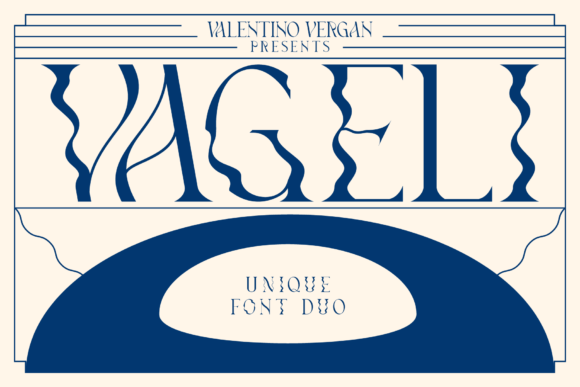
Vageli is not merely a decorative script or a standard serif; it occupies a unique niche defined by sophisticated curves and intricate details. The font's primary appeal lies in its ability to convey a sense of distinguished heritage without appearing dated. Its letterforms are constructed with a high degree of contrast between thick and thin strokes, a hallmark of traditional calligraphy that has been meticulously digitized for modern use.
What sets Vageli apart from generic vintage fonts is the precision of its geometry. While many "retro" styles rely on distressed textures or exaggerated flourishes to simulate age, Vageli achieves its classic feel through structural integrity. The curves are fluid yet controlled, ensuring that even at larger sizes, the characters maintain a sense of balance and readability. This refinement makes it particularly effective for creating a memorable impression in contexts where luxury and quality are paramount.
The versatility of Vageli extends to its adaptability across different media. Whether rendered in ink on paper or displayed on a high-resolution screen, the font retains its visual weight and clarity. However, this fidelity to detail means that the font relies heavily on proper rendering environments. Unlike simpler sans-serif fonts that remain legible at microscopic sizes, Vageli requires sufficient space to allow its intricate details to breathe.
Comparing Vageli to Contemporary Alternatives
When evaluating Vageli, it is essential to compare it against other categories of typography available to designers. The most common alternatives fall into two broad camps: ultra-modern geometric sans-serifs and traditional blackletter or heavy script fonts. Each offers a different narrative, and choosing between them depends entirely on the message the brand or publication wishes to convey.
Compared to modern geometric fonts, which prioritize neutrality and minimalism, Vageli introduces a layer of personality and emotion. Geometric typefaces are excellent for conveying efficiency and clarity, but they often lack the warmth and sophistication that Vageli provides. If a project aims to establish an emotional connection rooted in tradition or craftsmanship, Vageli offers a distinct advantage over the starkness of modernist design.
Conversely, when compared to heavier, more ornate scripts, Vageli strikes a middle ground. Many vintage-inspired fonts can be difficult to read due to excessive ligatures or overly dense strokes. Vageli avoids these pitfalls by maintaining open counters and clear character distinction. This makes it more practical for extended headlines or subheads than fonts that sacrifice legibility for decoration. It offers the visual interest of a display font without the frustration of deciphering text.
- Legibility: Vageli generally outperforms highly ornamental scripts in readability while retaining decorative flair.
- Mood: It conveys elegance and timelessness, whereas geometric fonts convey neutrality and modernity.
- Complexity: It offers more visual depth than basic serif fonts but remains less chaotic than heavy blackletter styles.
Functional Tradeoffs in Design Systems
While Vageli excels in specific applications, integrating it into a broader design system requires careful consideration of tradeoffs. One significant factor is the file size and rendering performance. Fonts with intricate details like Vageli often have larger vector data compared to simplified typefaces. In web design, this can impact load times if not optimized correctly. Designers must weigh the aesthetic benefit of Vageli against the technical constraints of their platform.
Another tradeoff involves scalability. Because Vageli is designed primarily as a display font, it is best suited for headlines, logos, and short phrases. Using it for body copy can lead to visual fatigue and reduced readability. In contrast, a complementary serif or sans-serif font would be more appropriate for long-form text. Therefore, the decision to use Vageli should be paired with a strategic plan for pairing it with a more utilitarian typeface for supporting content.
Ideal Use Cases and Strategic Applications
The strength of Vageli lies in its ability to elevate specific types of projects where first impressions are critical. Branding is perhaps the most natural fit. For companies operating in the luxury goods, hospitality, or artisanal food sectors, Vageli can communicate a legacy of quality. A logo utilizing Vageli suggests that the brand values tradition, attention to detail, and a premium experience.
Packaging design also benefits significantly from the font's characteristics. On product labels, Vageli can transform a simple container into a statement piece. The intricate details catch the eye on a shelf, distinguishing the product from competitors using more generic typography. This is particularly effective for items like wines, spirits, cosmetics, or gourmet foods, where the perceived value is closely tied to the visual presentation.
In editorial contexts, Vageli serves as an excellent choice for magazine covers, chapter headings, or pull quotes. It adds a touch of class to layouts that might otherwise feel too sterile. When used sparingly, it draws the reader's attention to key information without overwhelming the layout. The font's timeless design ensures that publications featuring it do not look immediately outdated as trends shift.
Decision Factors: When to Choose Vageli and When to Look Elsewhere
Determining whether Vageli is the right tool for a specific project involves assessing several key factors. The primary consideration is the target audience. If the demographic values tradition, sophistication, and exclusivity, Vageli aligns well with their expectations. However, for brands targeting a youthful, tech-forward, or budget-conscious audience, the font's formal nature might create a disconnect. In such cases, a bolder, more playful, or minimalist typeface could be more effective.
Context is equally important. If the project requires high-speed readability or accessibility compliance for users with visual impairments, Vageli may present challenges. Its intricate details can blur at small sizes or low resolutions, making it unsuitable for mobile interfaces where space is limited. In these scenarios, prioritizing a font with higher x-heights and simpler forms is a more responsible design choice.
Furthermore, the longevity of the design should be considered. While Vageli is described as having a timeless design, trends in typography do evolve. Brands planning for rapid rebranding cycles every few years might prefer a more neutral font that allows for easier pivots. However, for established institutions or products aiming for a permanent identity, the enduring appeal of Vageli makes it a robust investment.
Evaluating Cost vs. Impact
From a resource allocation perspective, investing in a premium display font like Vageli must be justified by the return on impact. For a one-off marketing campaign, the cost of licensing might be negligible. However, for a comprehensive brand overhaul, the expense should be weighed against the potential increase in brand perception. If the goal is to signal a shift toward luxury or heritage, the investment in a high-quality font like Vageli is often warranted. Conversely, if the budget is tight and the brand is still finding its voice, starting with accessible alternatives might be a prudent strategy before committing to a specialized display font.
Conclusion on Typographic Selection
Vageli represents a compelling option for designers seeking to infuse their work with vintage elegance and refined detail. Its sophisticated curves and classic structure make it a powerful asset for branding, packaging, and editorial projects where a distinguished impression is required. However, its effectiveness is contingent upon appropriate usage. It thrives in headline roles and luxury contexts but may falter in situations demanding extreme legibility or modern minimalism.
Ultimately, the decision to adopt Vageli should be driven by a clear understanding of the project's goals, audience expectations, and technical constraints. By carefully evaluating these factors against the font's unique strengths and limitations, designers can ensure that their typographic choices enhance rather than hinder their communication. Whether chosen for its nostalgic charm or its contemporary polish, Vageli offers a versatile solution for those willing to navigate its specific requirements with care.