Weathered Bold: The Distressed Typeface That Commands Attention
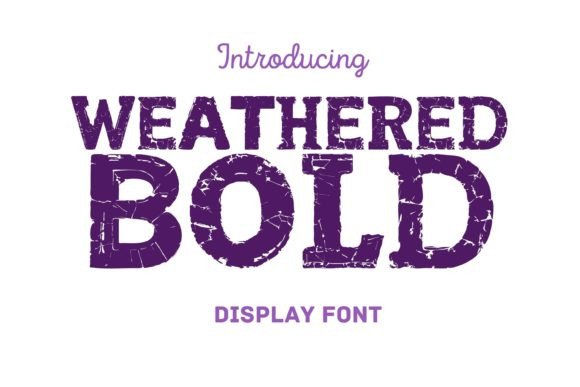
In the crowded landscape of digital and print design, standing out often requires more than just a bright color or a clever layout. It demands a voice that speaks with authority and character. Enter Weathered Bold, a powerful and edgy distressed bold uppercase font designed to cut through the noise. Unlike standard typefaces that strive for perfection and uniformity, this versatile typeface embraces imperfection, offering designers, marketers, and creatives a raw, authentic feel that resonates deeply with modern audiences.
The Philosophy Behind the Imperfect Letterform
Why does a font that looks worn, scratched, and aged appeal to contemporary creators? The answer lies in human psychology. In an era where digital content is often sterile and overly polished, there is a growing hunger for authenticity. We crave textures that tell a story, surfaces that show signs of use, and visuals that feel tangible. Weathered Bold taps directly into this sentiment. It is not merely a collection of letters; it is a visual narrative of endurance and history.
When you apply this typeface to a project, you are implicitly suggesting resilience. The distressed edges and uneven strokes mimic the effects of time on physical objects—rusted metal, peeling paint, or eroded stone. This creates an immediate emotional connection with the viewer, signaling that the brand or message behind the text has substance and depth. It moves away from the "corporate clean" aesthetic and steps firmly into the realm of the rugged and real.
Key Characteristics That Define the Style
To understand how to utilize this font effectively, one must first appreciate its specific design traits. Weathered Bold is defined by several core features that distinguish it from other display fonts:
- All-Caps Dominance: The font is exclusively uppercase, which naturally lends itself to headlines, logos, and short impact statements. The lack of lowercase letters forces the design to rely on weight and spacing rather than ascenders and descenders.
- High Contrast Texture: Each glyph features irregular edges and internal breaks that simulate wear and tear. These aren't random glitches but carefully crafted distress marks that maintain legibility while adding grit.
- Bold Weight: As the name suggests, the stroke width is heavy. This ensures that even when the texture breaks up the letterforms, the overall shape remains recognizable at various sizes.
- Geometric Foundation: Beneath the weathering lies a strong geometric structure. This hidden stability prevents the text from looking messy or chaotic, ensuring it remains professional despite its rugged appearance.
Practical Applications Across Industries
The versatility of Weathered Bold makes it suitable for a wide range of industries, provided the context aligns with its rugged personality. It is not a one-size-fits-all solution, but where it fits, it shines brilliantly.
Branding and Logo Design
For business owners launching brands in sectors like outdoor gear, automotive services, craft brewing, or urban streetwear, this font is a goldmine. Imagine a logo for a mountain bike shop or a vintage motorcycle repair garage. A sleek, thin sans-serif might look out of place, whereas Weathered Bold instantly communicates durability and hands-on expertise. It tells the customer, "We build things that last," before they even read the copy.
Marketing Campaigns and Advertising
Marketers often struggle to create urgency or excitement without resorting to shouting. This typeface offers a middle ground—it commands attention without feeling desperate. It is particularly effective in:
- Event Posters: Music festivals, underground art shows, and extreme sports competitions benefit from the high-energy vibe of the font.
- Sales Promotions: For clearance sales or limited-time offers, the distressed look can subconsciously signal "rough deal" or "grab it now," creating a sense of immediacy.
- Packaging: Product packaging for artisanal goods, such as small-batch hot sauces, leather goods, or survival kits, uses this style to suggest premium, handcrafted quality.
Evaluating Suitability: When to Use and When to Hold Back
While Weathered Bold is a powerful tool, it is not appropriate for every scenario. Understanding its limitations is just as important as knowing its strengths. A critical evaluation of your project's needs is essential before committing to this style.
Legibility Concerns: Because of the distressed nature of the glyphs, readability can suffer if used in long paragraphs. The eye works harder to decode broken letterforms over extended periods. Therefore, limit the use of this font to headlines, titles, and short phrases. Never use it for body text, footnotes, or instructional manuals where clarity is paramount.
Tone Mismatch: Consider the emotional tone of your brand. If you are designing for a medical practice, a law firm specializing in family law, or a luxury spa, the aggressive and gritty nature of Weathered Bold may send the wrong message. These fields typically require fonts that convey calmness, precision, and trustworthiness. Using a distressed font here could unintentionally signal negligence or instability.
Color and Background Interaction: The effectiveness of this font relies heavily on contrast. On busy backgrounds or low-contrast color schemes, the internal details of the distressing can get lost, making the text appear muddy. To ensure maximum impact, pair it with solid, high-contrast backgrounds. White text on dark grey or black text on vibrant orange often yields the best results.
Real-World Scenario: The Craft Brewery Rebrand
Consider a hypothetical scenario: A local brewery wants to rebrand to emphasize their commitment to traditional, old-world brewing methods. They currently use a clean, modern script font that feels too soft and commercial. By switching their main logo and label headers to Weathered Bold, they instantly transform their visual identity.
The new typography suggests that their beer is brewed in copper kettles that have seen decades of use, in a cellar that smells of hops and wood. The font choice reinforces the narrative of heritage and authenticity. Customers picking up the bottle perceive the product as robust and flavorful, aligning perfectly with the taste profile of a stout or IPA. This is the power of strategic typography selection—it bridges the gap between what a product is and how it feels.
Maximizing Impact Through Pairing
One of the most common mistakes designers make is trying to let a bold display font carry the entire design alone. To truly leverage Weathered Bold, it should be paired with a complementary typeface that handles the heavy lifting of readability. A neutral sans-serif or a simple serif font works best here.
For example, pairing the distressed uppercase header with a clean, light-weight sans-serif for the body copy creates a dynamic tension. The header grabs the eye with its attitude, while the body text provides a restful space for the reader to consume information. This balance ensures that the design remains engaging without becoming overwhelming.
Final Thoughts on Authentic Design
In conclusion, Weathered Bold represents more than just a stylistic trend; it is a response to a cultural desire for the genuine and the enduring. Whether you are a graphic designer crafting a poster, a marketer planning a campaign, or a business owner defining your brand identity, this font offers a unique opportunity to communicate strength and character.
However, its power lies in restraint. Used correctly, it elevates a project from ordinary to extraordinary. Used incorrectly, it can confuse the audience and dilute the message. By understanding its characteristics, respecting its limitations, and applying it with intention, you can harness the raw energy of Weathered Bold to create designs that not only command attention but also leave a lasting impression.