Evaluating the Design Potential of Spooky Things
In the crowded landscape of digital typography, finding a font that balances whimsy with sophistication is a rare feat. Most display fonts lean heavily into one extreme: they are either overly decorative to the point of illegibility or so minimal that they lack personality. Spooky Things occupies a distinct middle ground, offering a stylistic approach that feels both nostalgic and contemporary. It is not merely a Halloween-themed asset, despite its name; rather, it is a versatile typeface designed to bring fluidity and character to projects that require a human touch. For professionals ranging from branding consultants to independent creators, understanding the practical application of this font is essential for determining its place in a design workflow.
The Aesthetic Philosophy Behind Spooky Things
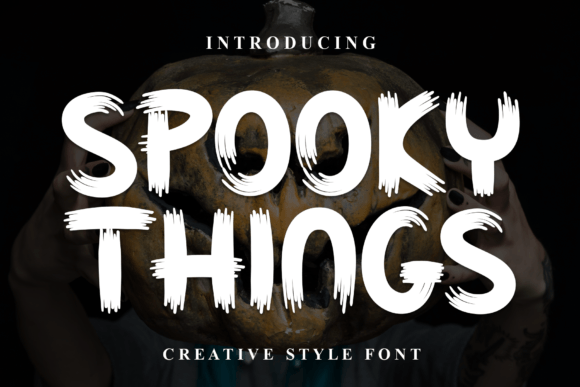
At its core, Spooky Things is defined by its organic construction. Unlike geometric sans-serifs or rigid serifs that rely on mathematical precision, this typeface mimics the natural imperfections of hand-lettering. The strokes vary in weight, creating a rhythm that guides the eye smoothly across the text. This variation is intentional, serving to inject warmth into digital interfaces that often feel sterile. The "spooky" element of the name suggests a playful edge, yet the execution remains grounded in elegance. This duality allows the font to function effectively in contexts where a strict corporate identity might feel too cold, without sacrificing readability or professional standards.
The charm of Spooky Things lies in its ability to convey emotion through shape. The curves are soft but confident, avoiding the jittery lines often found in lower-quality script fonts. This consistency in stroke quality ensures that the font retains its integrity even when scaled up for large headlines or down for smaller accents. For designers who value texture and flow, this typeface offers a solution that feels crafted rather than generated. It bridges the gap between the casual nature of handwritten notes and the polished finish required for commercial publication.
Key Characteristics and Structural Integrity
- Fluid Stroke Weight: The transition between thick and thin lines is gradual and natural, preventing visual clutter.
- Natural Flow: Letterforms connect logically, maintaining a sense of movement that enhances legibility in short bursts of text.
- Distinctive Character: While elegant, specific glyphs possess unique quirks that prevent the font from looking generic.
- Scalability: The design holds up well at various sizes, making it suitable for both logo marks and social media overlays.
Practical Applications in Modern Branding
When integrating Spooky Things into a real-world project, its utility becomes immediately apparent. It is particularly effective for brands that wish to position themselves as creative, approachable, and slightly unconventional. Consider a boutique bakery, an artisanal candle shop, or a lifestyle blog focused on wellness and mindfulness. In these scenarios, a standard serif or sans-serif font might fail to communicate the handmade nature of the product. Spooky Things fills this void by adding a layer of personal connection that resonates with consumers seeking authenticity.
For entrepreneurs and small business owners, the font serves as a powerful tool for differentiation. In a market saturated with minimalist logos, a brand utilizing this typeface can stand out by embracing a more expressive visual language. However, its use requires restraint. Because the font is inherently decorative, it should be reserved for headlines, logos, and pull quotes. Using it for body text would likely compromise readability and fatigue the reader. The most successful applications pair Spooky Things with a clean, neutral secondary font to create a balanced hierarchy. This combination allows the display font to shine while ensuring that the informational content remains accessible.
Social Media and Digital Engagement
In the realm of social media, where attention spans are short and visual competition is fierce, Spooky Things offers a significant advantage. Its sophisticated look captures attention in a feed dominated by blocky, uniform text. Creators and marketers can use it to overlay quotes, announce events, or highlight key messages in Instagram stories and Pinterest pins. The font's inherent elegance elevates the perceived value of the content, suggesting that the creator pays attention to detail. Furthermore, because the style leans towards the artistic, it performs exceptionally well in niches such as fashion, interior design, and event planning, where aesthetics are paramount.
Assessing Usability and Workflow Integration
From a technical standpoint, the usability of Spooky Things depends on how well it integrates into existing design software. Like most modern display fonts, it is expected to function seamlessly within industry-standard tools such as Adobe Illustrator, Photoshop, and Canva. The reliability of the kerning and spacing is crucial here; a font that looks good in isolation but breaks apart when used in sentences can disrupt a designer's workflow. Early evaluations suggest that the font maintains consistent spacing, allowing for quick adjustments without extensive manual intervention. This efficiency is vital for freelancers and agencies working under tight deadlines.
However, users should be aware of potential limitations regarding language support. Display fonts like this often prioritize the Latin alphabet and may lack extensive glyph sets for special characters or non-English languages. Before committing to Spooky Things for a global campaign, it is prudent to verify the character map. If the project involves multilingual content, the font may need to be supplemented with a companion typeface for certain sections. Additionally, while the font excels in print and high-resolution digital formats, care must be taken when using it at very small sizes on mobile screens, where fine details might blur.
Long-Term Value and Versatility
Investing in a typeface is about long-term value, not just immediate impact. Spooky Things demonstrates strong longevity due to its timeless aesthetic qualities. Trends in typography often swing between ultra-modern and retro styles, but this font's reliance on natural, hand-crafted forms gives it a classic appeal that transcends fleeting fads. It is unlikely to look dated in five years, making it a safe choice for branding assets that need to remain consistent over time. For publishers and educators, this stability is a key factor in selecting resources that will serve their audience reliably.
The versatility of the font also contributes to its value. While it has a distinct personality, it is adaptable enough to work in various color palettes and textures. Whether rendered in gold foil for wedding invitations or in stark black for a modern magazine layout, the underlying structure remains effective. This flexibility reduces the need for multiple font licenses, streamlining the asset management process for design teams. By covering a range of emotional tones—from warm and inviting to mysterious and chic—Spooky Things maximizes the return on investment for any creative professional.
Who Benefits Most from This Typeface?
The ideal user for Spooky Things is someone who understands the power of nuance in design. Professionals who need to convey a message of creativity and individuality will find this font indispensable. This includes graphic designers working on packaging, web developers building portfolio sites, and copywriters looking to add visual flair to their manuscripts. Small business owners in the service industry, such as photographers, florists, and event planners, can leverage the font to build a cohesive brand identity that feels personal and exclusive.
Conversely, industries that demand strict adherence to regulatory standards or require maximum legibility for safety reasons may find this font less suitable. Legal documents, medical reports, and technical manuals generally require more utilitarian typefaces. In these contexts, the decorative elements of Spooky Things could be seen as distracting or unprofessional. Therefore, the decision to use this font should always be guided by the specific goals of the project and the expectations of the target audience.
Final Considerations for Implementation
Ultimately, Spooky Things is a tool that rewards thoughtful application. It is not a magic bullet that solves all design problems, but rather a specialized instrument that adds a specific flavor to a composition. When used correctly, it enhances the narrative of a brand, making it more memorable and engaging. Designers should experiment with pairing it against different backgrounds and complementary fonts to fully unlock its potential. By focusing on its strengths—fluidity, elegance, and charm—creators can produce work that stands out in a competitive digital environment. For those seeking to infuse their projects with a sense of warmth and artistic integrity, this typeface represents a compelling option worth exploring.